
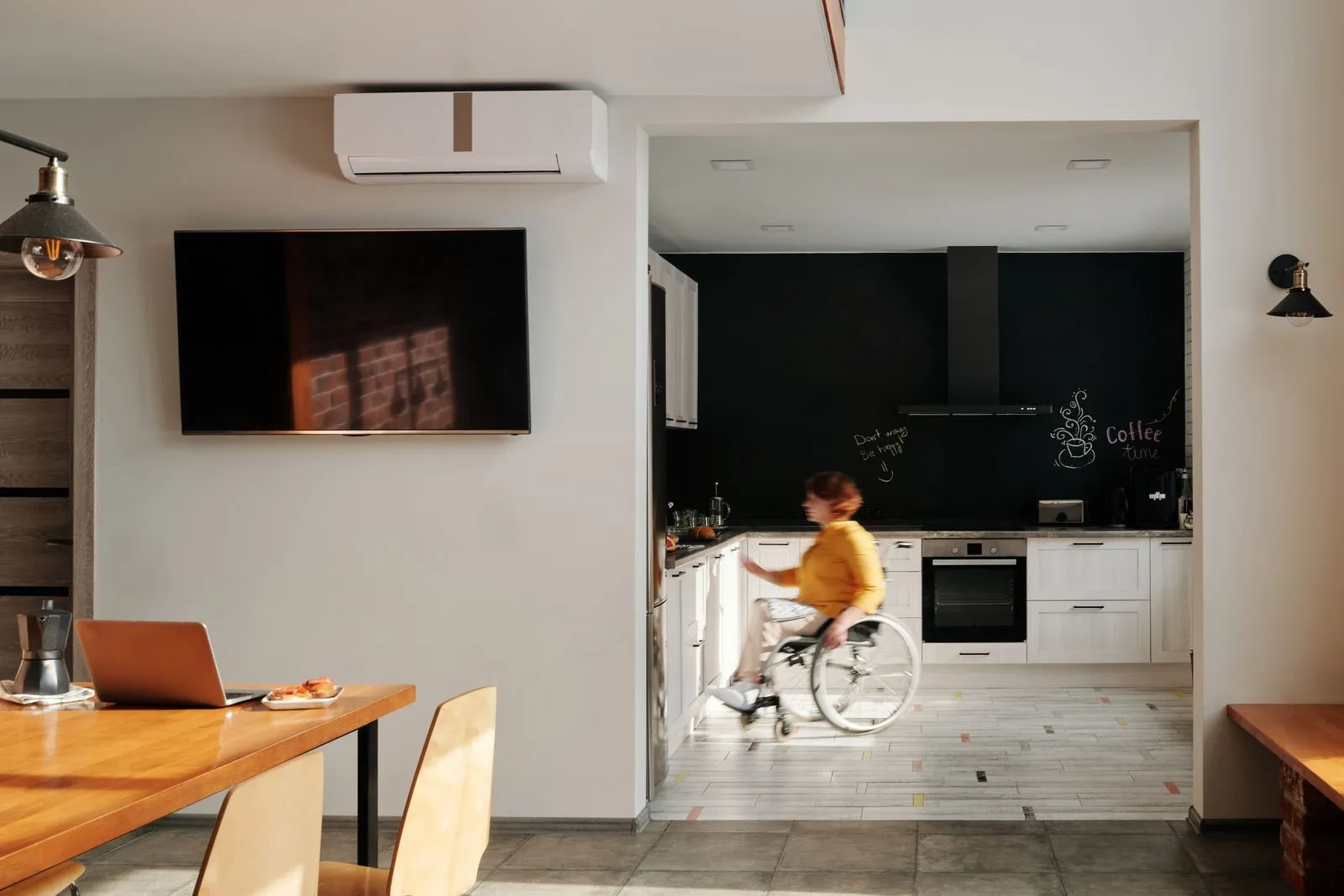
An injury can change how you move through your home, even if the change is temporary. A step that was easy before may now be difficult, and everyday tasks can take more time or effort. The right home modifications can support your recovery while helping you stay as independent as possible. Start by identifying the activities that feel unsafe or tiring, then consider whether a temporary adjustment or a lasting change best fits your needs.
Start With Daily Activities
Look at the routines you need to manage each day: getting in and out of bed, bathing, preparing meals, using the toilet, and moving between rooms. Note where you feel unsteady, need help, or have to avoid a task. Consider the whole route, not just the final activity. For example, reaching the bathroom safely may depend on clear pathways, good lighting, and a manageable doorway.
Match changes to your specific movement and recovery instructions. A walker, crutches, wheelchair, or limited ability to bend can each create different challenges. Ask your healthcare provider or occupational therapist which movements to protect and what level of assistance is appropriate. If possible, assess the home before returning from treatment or surgery so needed equipment and clear pathways are ready.
Use Temporary Supports Wisely
Temporary changes can help during a defined recovery period without requiring major construction. Options may include moving frequently used items within easy reach, removing loose rugs, adding brighter lighting, or arranging a main-floor sleeping area. A properly selected shower chair or raised toilet seat may also reduce effort, but the equipment must fit the person, the space, and the task.
Avoid relying on makeshift supports. Towel bars are not designed to hold body weight, and an unsecured chair can slide during a transfer. Before using a device, check that it is stable and appropriate for the surface and the user. Follow the manufacturer’s setup instructions, and ask a qualified professional to assess equipment that supports standing, sitting, or transfers.
Plan Lasting Changes
Some needs may continue after the initial injury heals, especially when movement remains limited or the home has barriers that were difficult before. Lasting options can include securely installed grab bars, a ramp, improved doorway access, or a curbless shower. Choose changes based on current abilities and likely future needs rather than adding features without a clear purpose.
Before starting construction, consider how the modification affects the entire space. A ramp needs a usable route and appropriate slope; a grab bar needs secure installation in a useful position. Review building requirements, permits, and contractor qualifications where applicable. An occupational therapist can evaluate how you use the home and help identify practical changes to discuss with a contractor.
Review and Adjust Over Time
Recovery can bring changing abilities, so treat your home plan as something to review. A support that helps in the first weeks may no longer be needed, while a task that seemed manageable may become difficult as you resume more activities. Recheck pathways, equipment placement, and transfer methods as your care team updates your activity guidance.
Keep a short list of tasks that remain uncomfortable, unsafe, or dependent on another person. Share it with your healthcare provider or occupational therapist, especially after a change in mobility or a fall. Providence Home OT can help residents consider home modifications that fit their routines and recovery goals.
The most useful home modifications address specific activities, reduce avoidable risks, and fit the person’s recovery plan. Begin with the tasks that are hardest, choose temporary supports when needs may change, and plan lasting work when it serves an ongoing purpose. For guidance on evaluating your home and options, contact an occupational therapist.